
Chimney inspections in Broomfield.
An inspection goes through the chimney part by part, so that a minor problem is caught while it is still minor. Phone us, or use the form when it suits you.
- reviews on Googleas of
The office is open seven days a week, 7 AM to 9 PM. The form is open all day and night.Office open now, until Office opens . Book online now.
- Book onlineAny hour
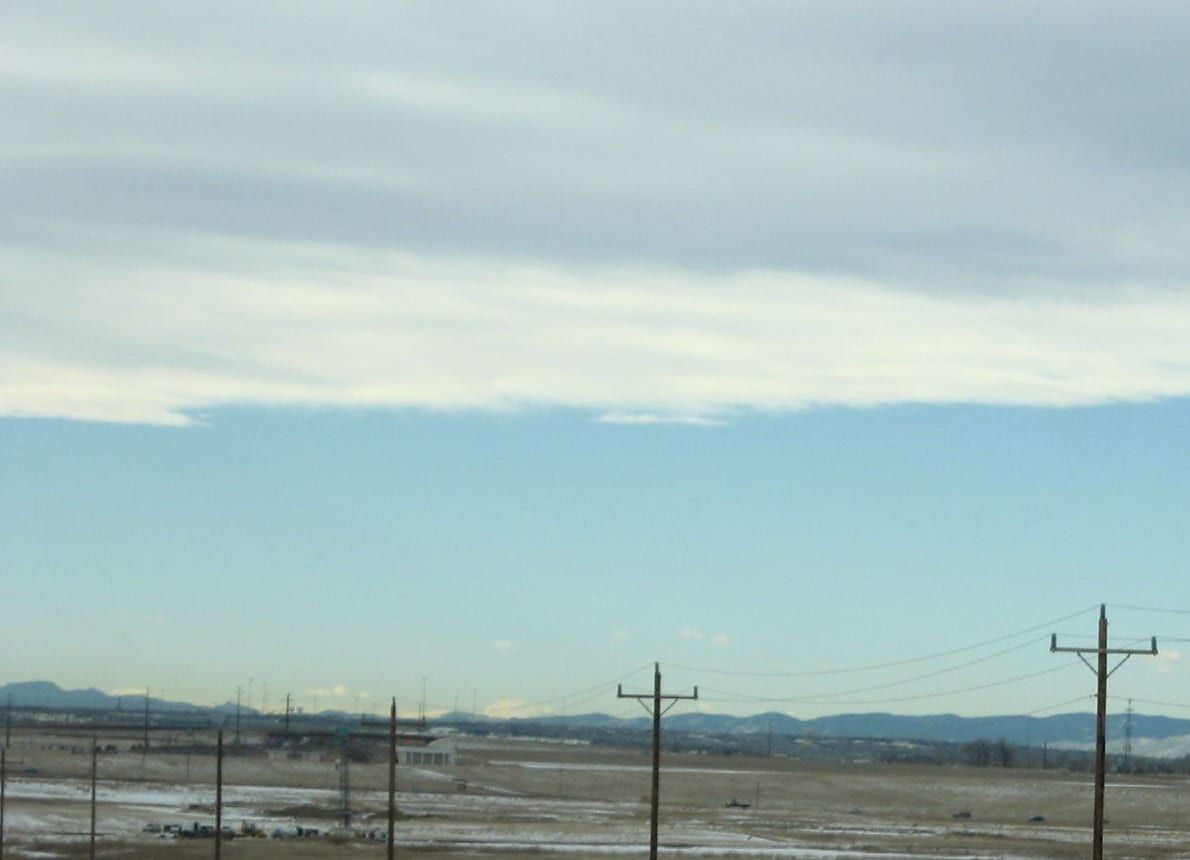
Photo: Approaching E-470, Broomfield, Colorado, Ken Lund, CC BY-SA 2.0
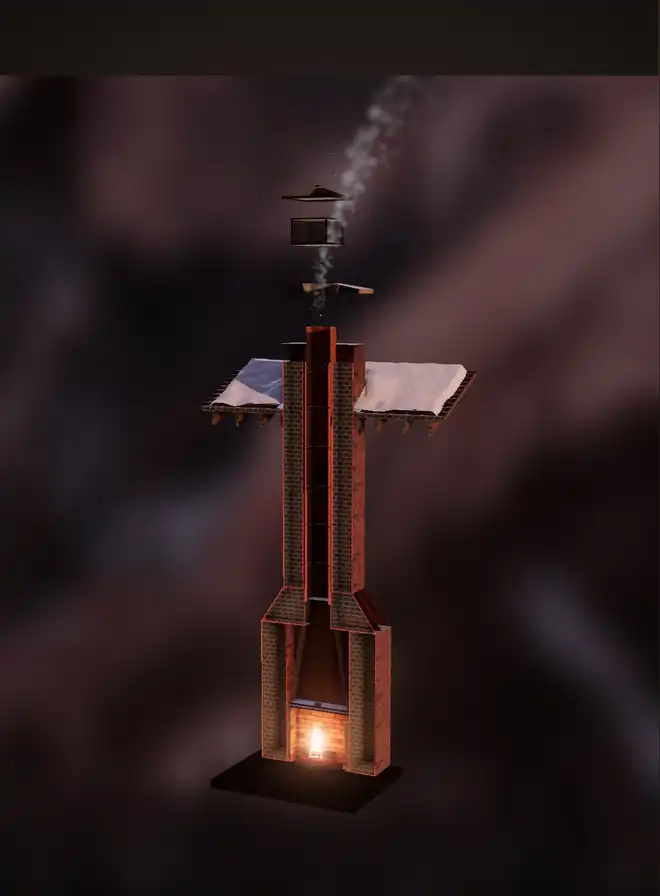
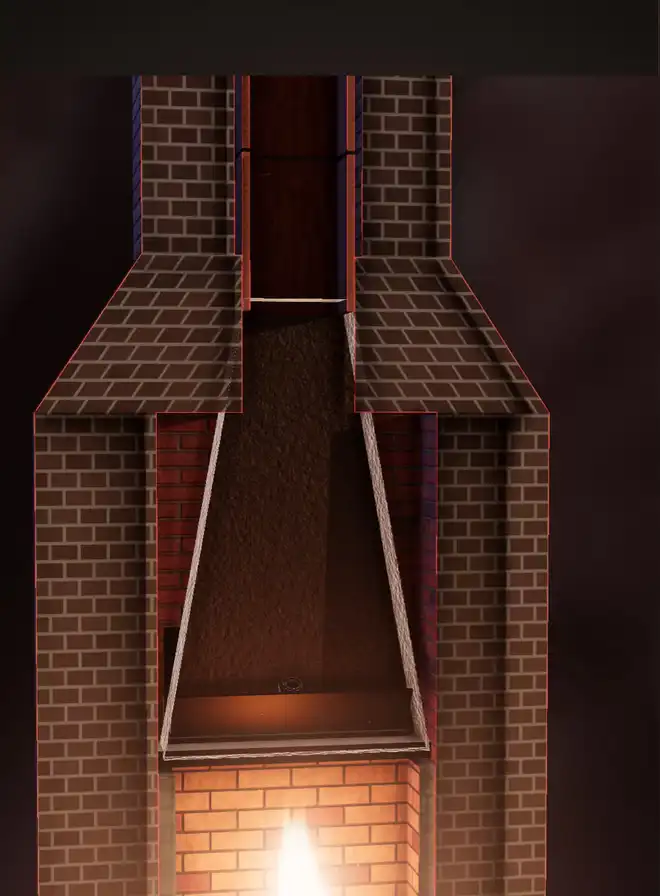
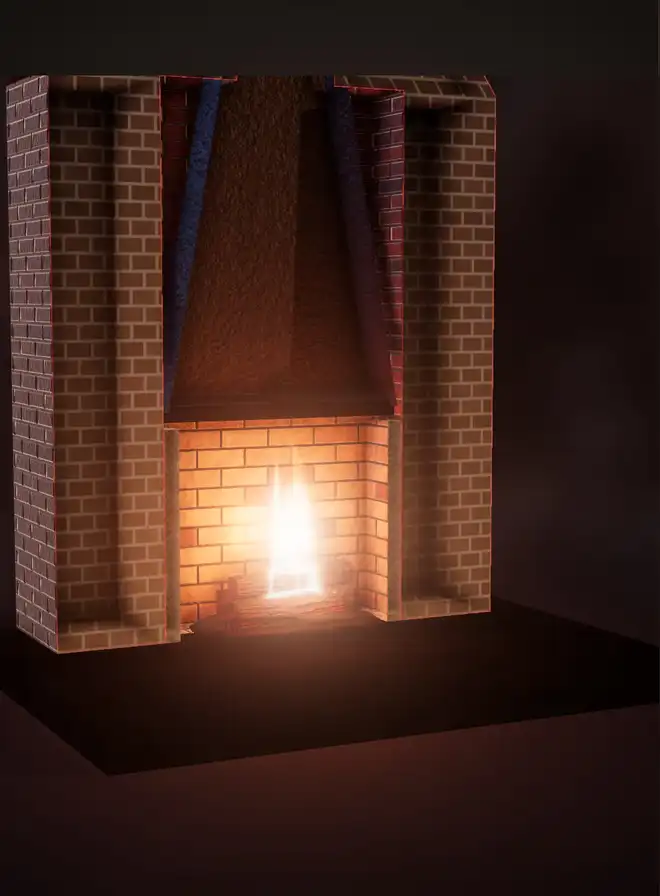
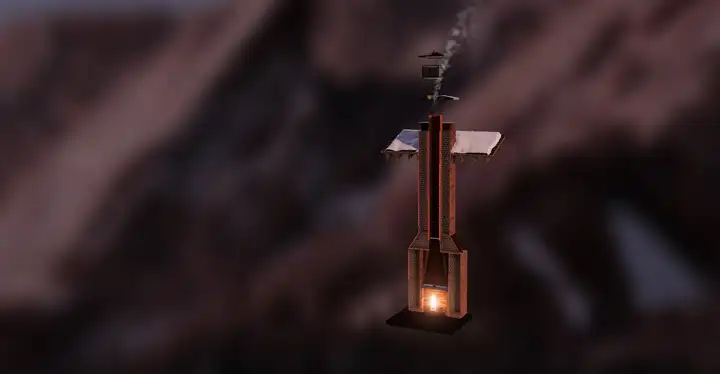
What an inspection covers.
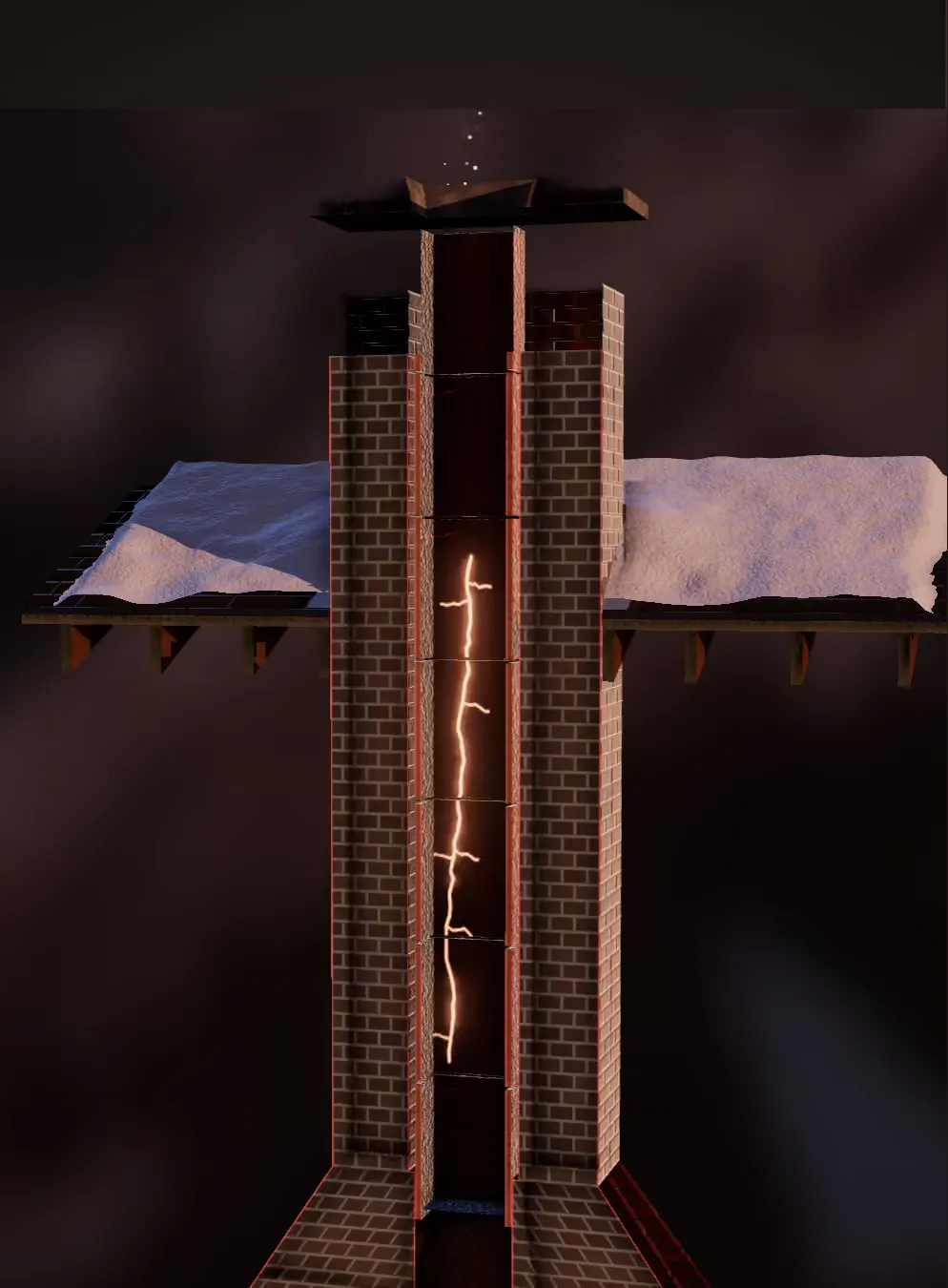
Six parts, from the cap down to the firebox.
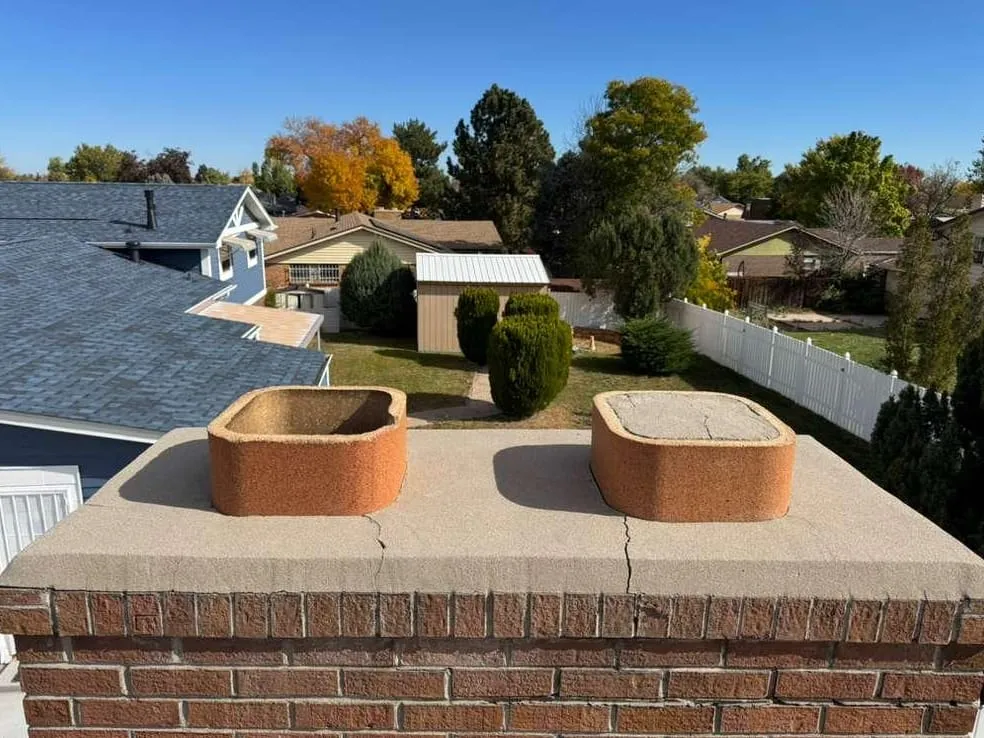
Cap
Top of the stack
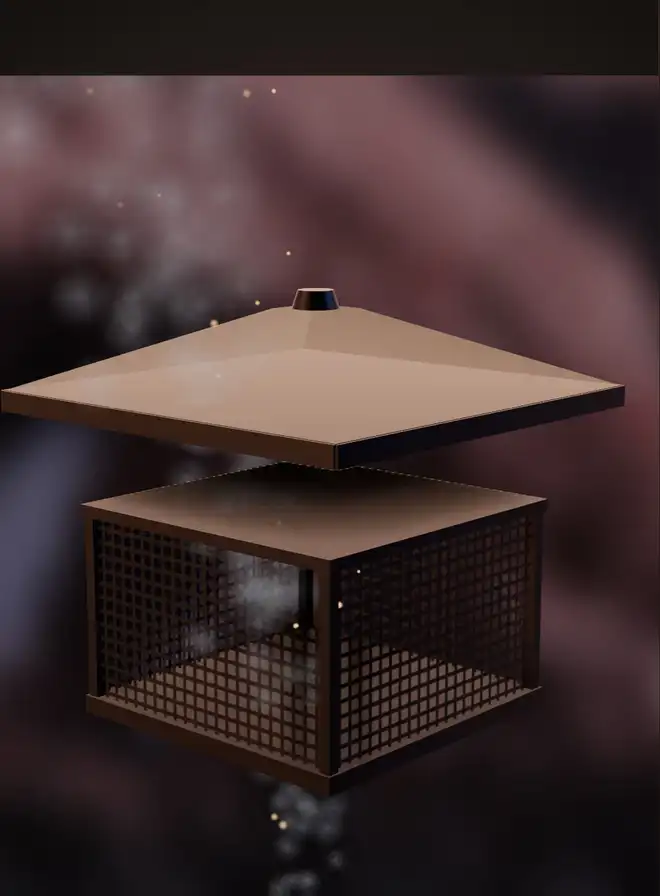
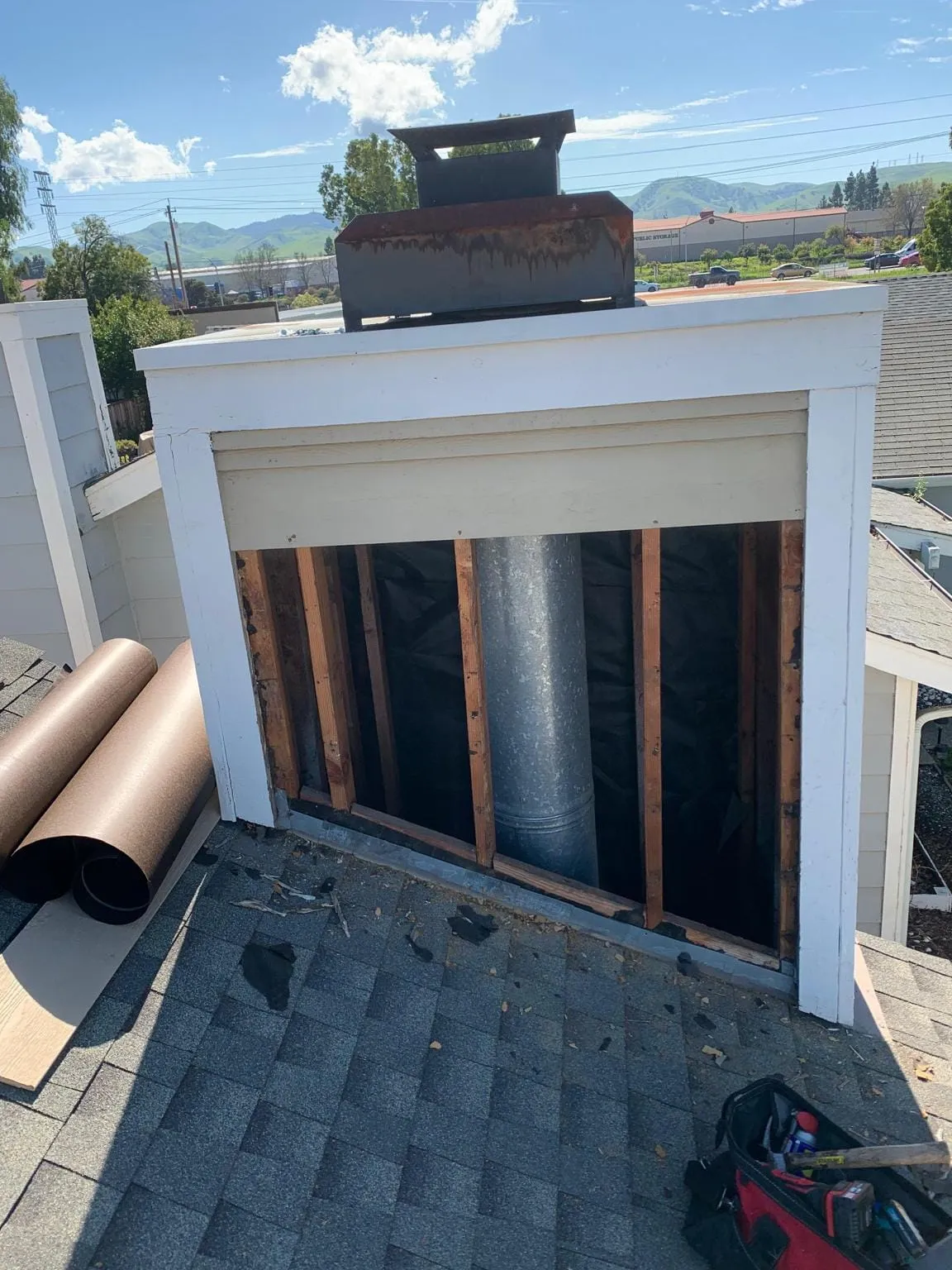
The cap is the first thing the sky reaches. Its screen turns birds and squirrels away from the flue and keeps embers inside, while the lid stops rain and snow from dropping straight down.
We check: hail dents, a screen torn loose, rust on the lid or at the seams.
Crown
The top surface
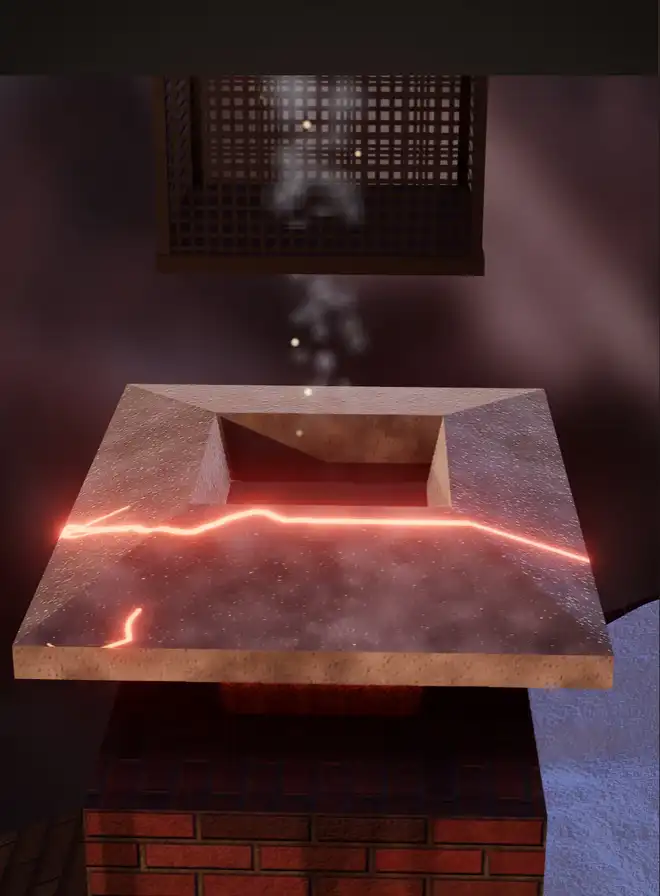
A hairline crack in the crown takes in melt water in the afternoon, and by night the water has frozen and pried the crack a little wider. A Broomfield January day averages 19°F at dawn and 46°F by afternoon.
We check: hairline cracks, flaking edges, a joint between slab and flue tile that has opened.
Flashing
Where roof meets chimney
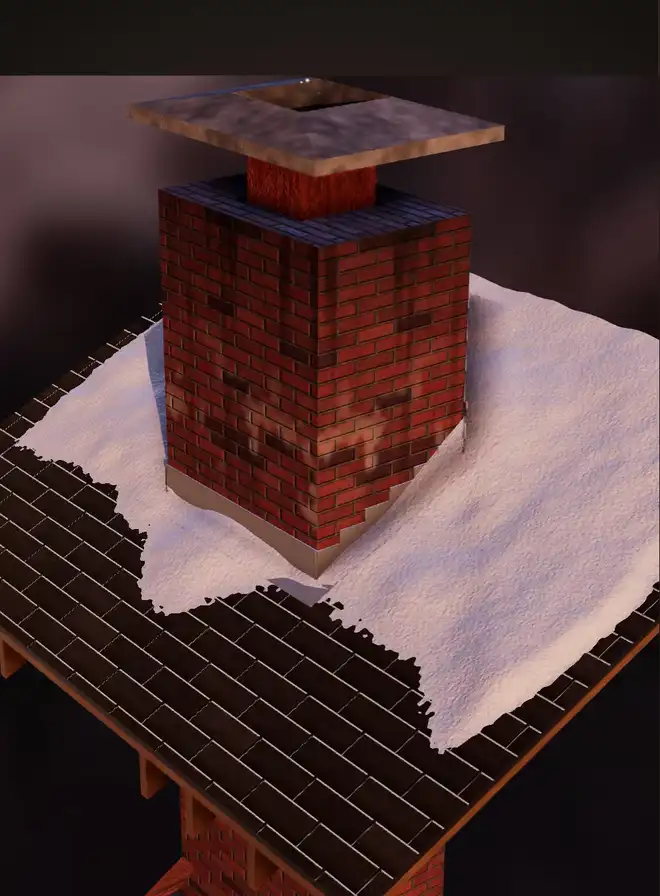
Flashing is the sheet-metal collar around the joint of chimney and roof. Wet snow packs against it and melts slowly, and any seam that has lifted or dried out lets that water in.
We check: lifted edges, sealant gone hard and cracked, rust streaks, a stain on the ceiling near the chimney.
Flue liner
The flue, top to bottom
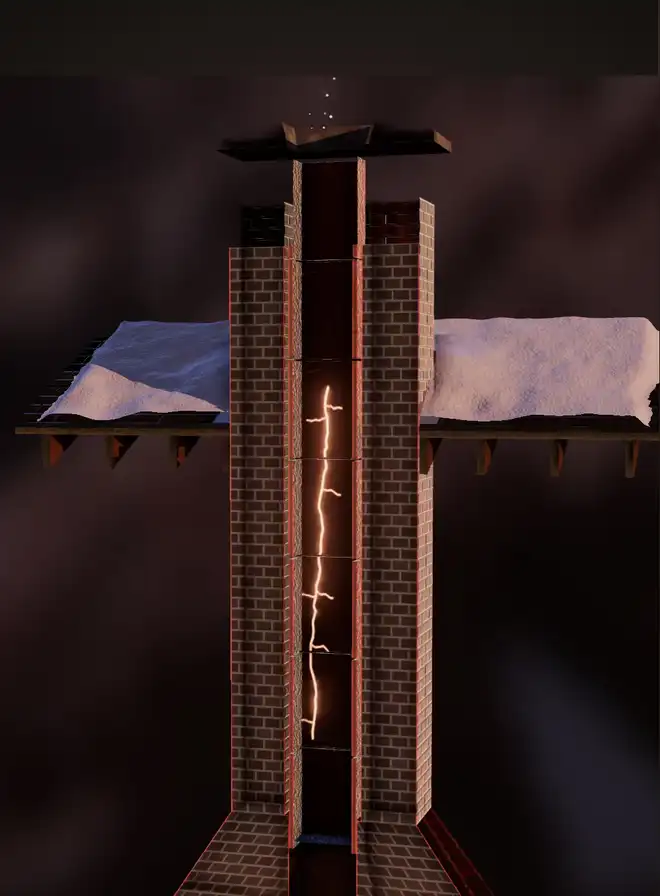
The liner carries smoke and gas out of the house. The median Broomfield home was built in 2002, so most flues are in their third decade, long enough for a pipe joint to rust or a clay tile to shift.
We check: rust or gaps at pipe joints, cracked or shifted tiles, a liner that does not suit the stove or insert.
Smoke chamber and damper
Over the damper
Soot and creosote settle first on the smoke shelf above the damper. A fireplace lit now and then collects less than a daily stove, but it still collects.
We check: tarry or glossy deposits, a damper that closes fully, a shelf that is crumbling or uneven.
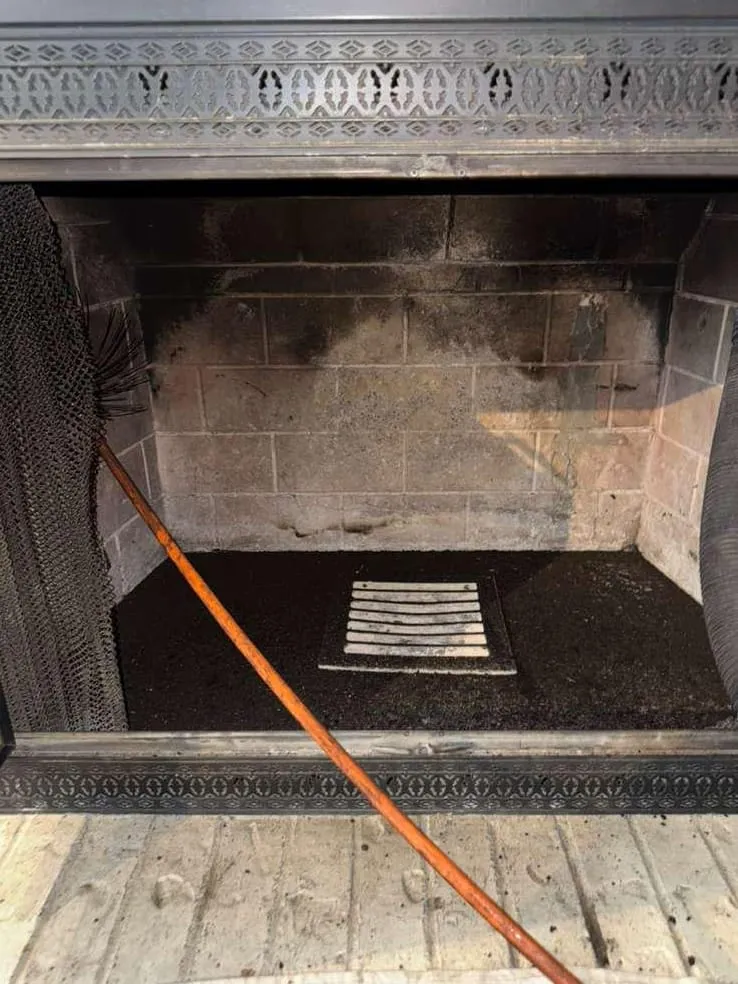
Firebox
Where the fire sits
The firebox takes the heat directly. Firebrick and the joints between the bricks crack with age and with heating and cooling, and a gap is a small job to fill before heat reaches the wall behind.
We check: open mortar joints, cracked or flaking firebrick, a hearth that is level and sound.
Three levels of inspection.
NFPA 211, the standard that covers chimneys, fireplaces and vents, describes three levels, and each goes further than the one before it.
Level 1
A chimney used as usual, with no change to the way it is used.
Covers What can be seen and reached without opening anything up.
Level 2
A property being sold or transferred, a system that has been altered, a chimney fire or a similar event.
Covers Everything in Level 1, plus the attic and the crawl space, and a camera passed up through the flue.
Level 3
A hazard is suspected that Level 2 could not rule out.
Covers All of Level 2 and the parts that are hidden, which can mean opening up some of the structure.
Source: NFPA 211.Schedule an inspection
When to book one.
Waiting for a symptom is the late way to find out. These are the moments that call for an inspection.
In early autumn, before the first fire.
NFPA recommends an inspection every year, and early autumn, before the first fire of the season, is a natural time for it.
From our Google Business Profile A house changing hands.
A sale or a transfer of ownership is the case NFPA 211 singles out for a Level 2, which includes a camera scan of the flue. Broomfield homes vary widely: of 33,202, about 9,400 went up before 1990 and about 9,600 between 2010 and 2019 (Census Bureau, ACS 2020 to 2024), so the chimney in one house can be a different kind from the one next door.
From our Google Business Profile Following a chimney fire.
A chimney fire, or any event that could have harmed the system, is one more situation in which NFPA 211 prescribes a Level 2.
From our Google Business Profile After a heavy snow or a hard wind.
Wind and snow strike the high points first, and on a chimney those are the cap, the crown and the flashing. In the blizzard of March 17 to 19, 2003 Broomfield received 31 inches, winds gusted to 41 mph and roofs collapsed around the metro area (NWS Boulder).
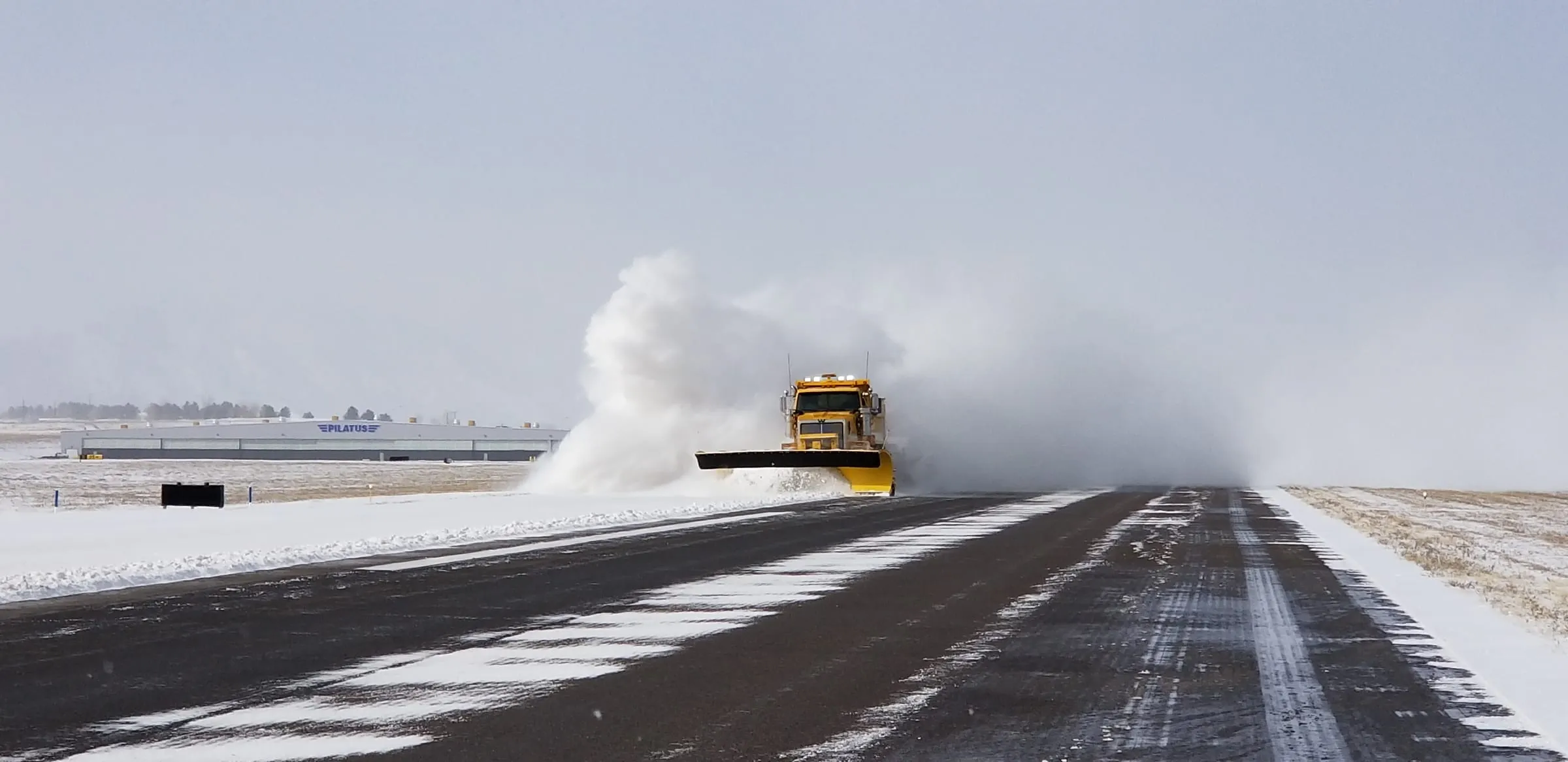
Photo: BJC Snow Removal, Brandon Murphy1, CC BY-SA 4.0
Questions about inspections.
Short answers, with a source where one exists.
Is a yearly inspection a real requirement?
It is the NFPA recommendation. Sweeping is scheduled separately, by how much you burn, and the deposit depth that triggers it is 1/8 inch according to the Chimney Safety Institute of America.
Should a chimney be inspected when a house is sold?
It should. NFPA 211 names a sale or transfer as a case for Level 2, which reaches into the attic and crawl space and sends a camera through the flue, where Level 1 covers only what is within reach.
What does an inspection look at?
The inspection proceeds from the roof downward: cap, crown and flashing, then the liner, the smoke chamber and damper, and finally the firebox. The list of what is checked on each part sits higher on this page.
How do I book an inspection?
Call (983) 223-1467 (seven days a week, 7 AM to 9 PM), or use the form below at any hour.
Book your visit.
Say what is wrong on the form, or just phone, and we will call you back to agree on a day.
- 1Reach out A phone call or a few lines on the form.
- 2We call you A person phones back and finds a day that works for you.
- 3Top to bottom The cap comes first, the hearth last, and nothing is skipped in between.
- 4Your decision We explain what we found; you choose what happens next.
Online
Any hour, through the form
Photo: Highway mountains, plutonature333, CC BY-SA 3.0
Want the fireplace ready before the cold arrives, or unsure about something you noticed on the roof?
The office is open seven days a week, 7 AM to 9 PM. The form is open all day and night.Office open now, until Office opens . Book online now.
Book online